
The topic Samsung Browser does 3 things Chrome can’t, and one of them will save you… is currently the subject of lively discussion — readers and analysts are keeping a close eye on developments.
This is taking place in a dynamic environment: companies’ decisions and competitors’ reactions can quickly change the picture.
If you’re ignoring the built-in browser on your Samsung, you’re missing out. Like many, I usually ignore the Samsung Browser (which is now available on Windows), which is preloaded on every Samsung Galaxy phone, and just install Chrome, but you should stop doing that.
Samsung Browser has several features that once enabled, make it better than Chrome in a few key areas. for example, Samsung Browser can better manage the memory on your phone by automatically closing tabs, it can give you a one-tap AI summary of any page you’re on (which Chrome does if you press the Gemini button, but then you have to prompt it), and you can even change the entire UI of your open tabs page to make it so much easier to see your open tabs. Here are the settings you should change in Samsung Browser that will make it much more compelling.
Stop your Galaxy phone from tracking, interrupting, and slowing you down.
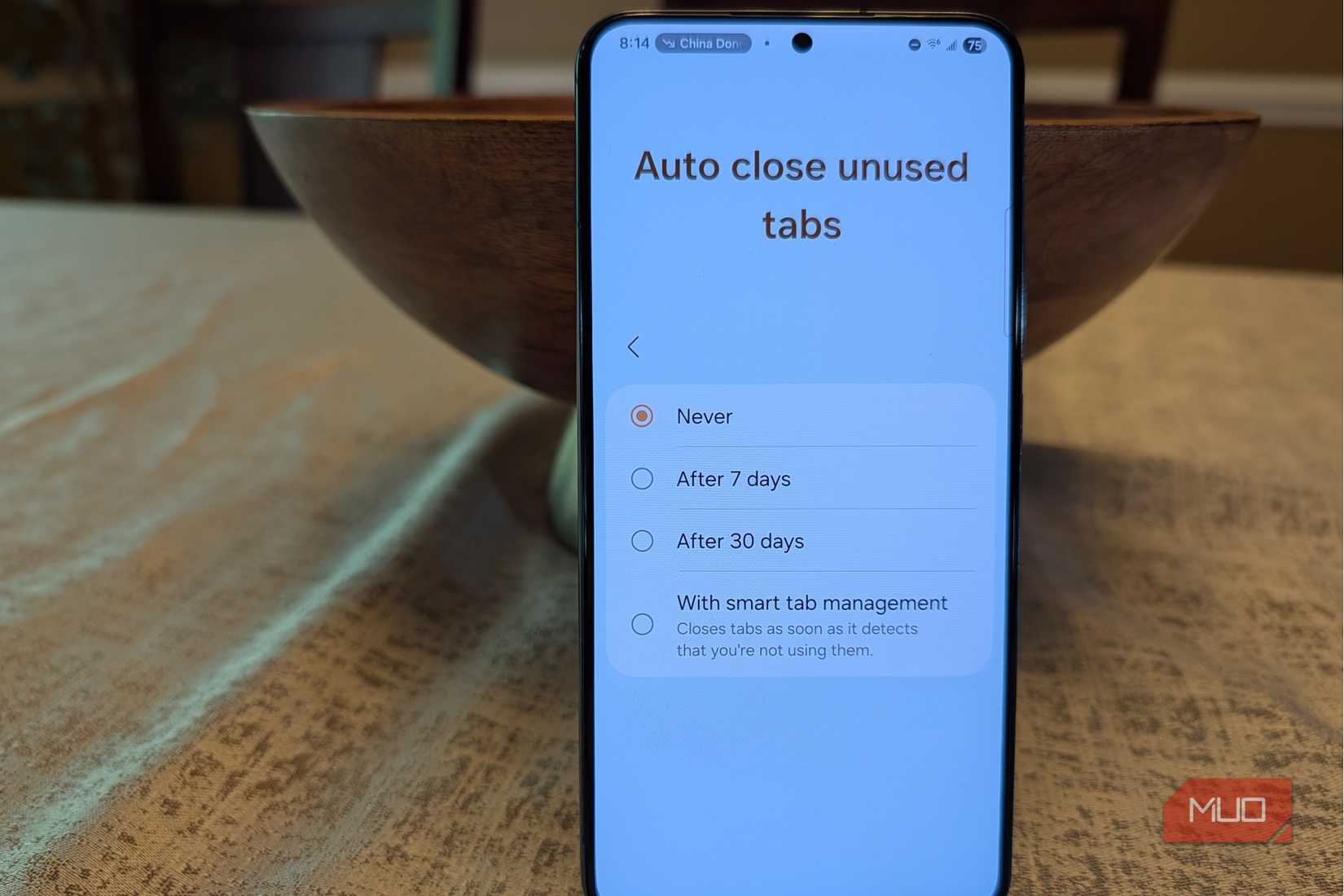
How many open tabs do you have right now in your browser? I bet it’s a lot. I just checked my phone and my Chrome browser has 47 tabs open! While a lot of these aren’t actively taking up memory (Android is pretty good at managing memory), many of them are using your RAM as they continue to load assets in the background, which can become a problem on devices with less-than-flagship amounts of memory. I try to remember to close browser tabs a couple of of times a week, but I always forget.
Samsung Browser has a brilliant setting that can automatically clear out your tabs after a certain duration of time. You can pick to close unused tabs after 7 days, 30 days, or have the phone automatically detect which tabs you’re not using and close them. This last option is the most aggressive, and could lead to the phone closing tabs you might still want open. I like going with “after 7 days” because if a week goes by, I probably don’t need the tab to stay open anymore. To do this, tap the three dot menu > Settings > Auto close unused tabs.
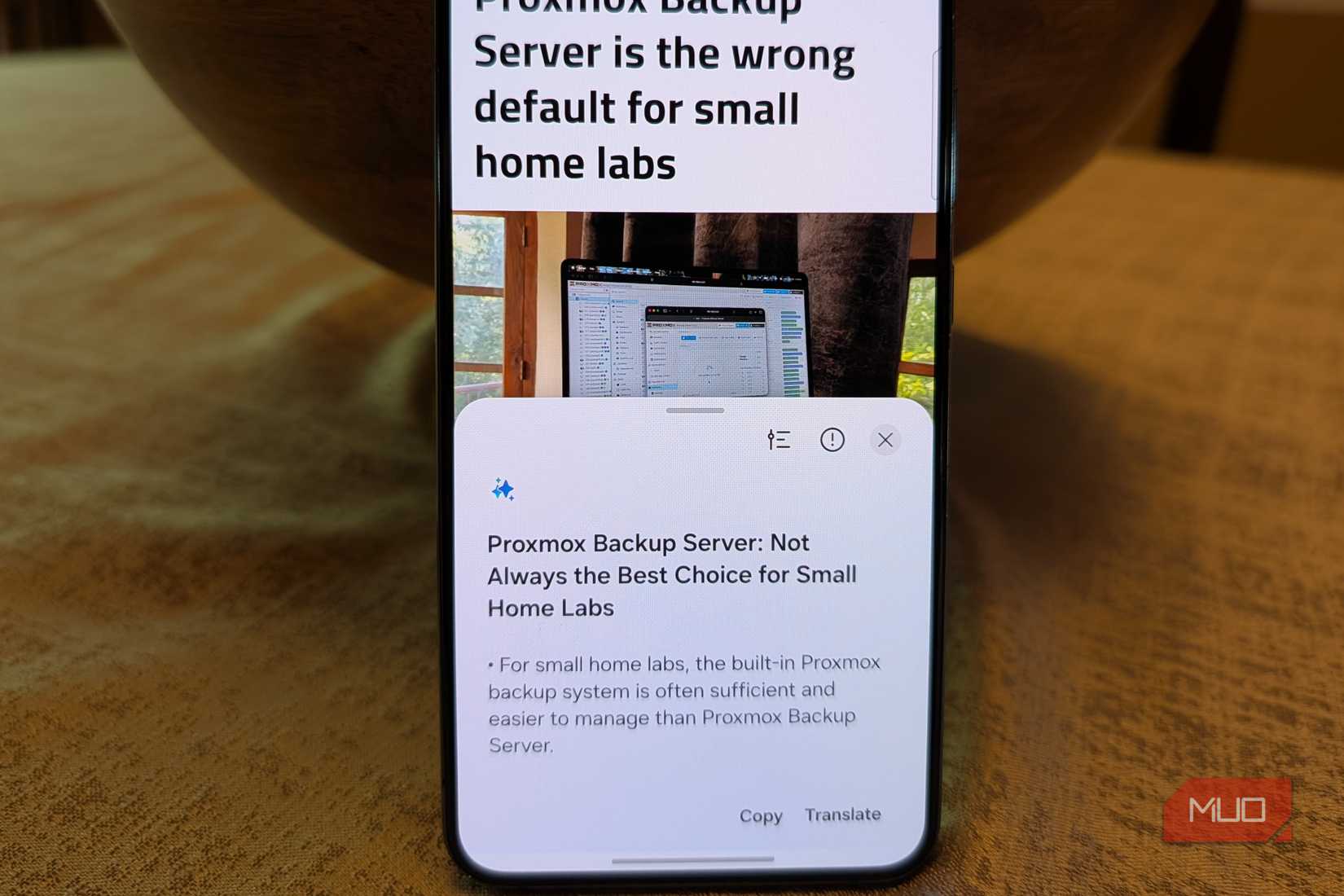
This is a game-changer for those of us that don’t love reading long pages and just want to see a quick AI summary. While you can already do this in Chrome with Gemini, it requires more taps (one tap to bring up Gemini, then another action to “summarize this page”), you can have Samsung Browser always display a Summary button that lives in the toolbar next to the Tab button (or wherever you want it)
To enable this brilliant feature, tap the three dots > Settings > Layouts and menus > Customize Menus > tap and drag the Summarize button to the toolbar. Now you’ll get a button that looks like a checklist that, once tapped, will offer a quick AI summary of any web page you go to.
This is a game-changer for those of us that don’t love reading long pages and just want to see quick AI summary.
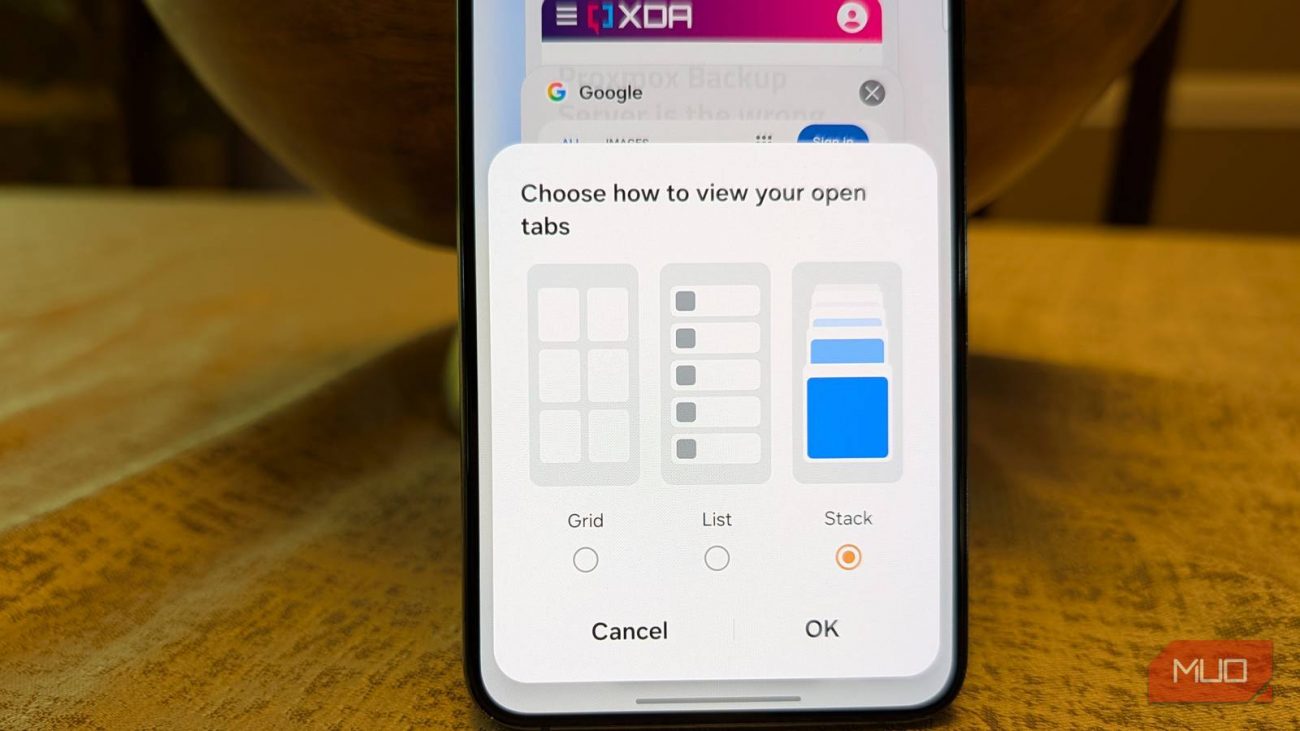
Most browsers present tabs in a boring grid view that doesn’t really let you get a proper overview of your open tabs.
But in Samsung Browser, you can get three choices: Stack, like the above, which is similar to how Android handles Recents in the app switches with a large preview of the page—this is my favorite; List, which gives you an orderly two-column view of your tabs (but with a very small preview on the left); and Grid, which is the classic view that gives you a rectangular preview of the open tab.
To customize the layout of open tabs, tap the Tab button in the toolbar > three dots > three dots (upper right) > View As > Pick style.
There’s even more you can customize in the Samsung Browser, and most of the interesting choices are found within the Layouts and menus settings page, found in the Samsung Browser settings panel. From there you can move the address bar to the bottom (highly recommend), you can turn on the persistent tab bar (great if you have a large screen), plus customize the behavior of various other UI elements like the status bar and bookmarks bar.
Also, if you like ad blockers (I personally don’t like to use them, but it’s your call), Samsung Browser has both first party (AdBlock for Samsung Internet) and third party (AdGuard, Crystal, etc) integrations to block ads. To access and install any of these, just go to three dots > Ad Blockers. As is the case when you install any ad blocker, doing so in Samsung Browser seems to have a dramatic impact on how quickly pages load.
Samsung Browser for Windows is a Chromium-based browser that features powerful syncing, useful agentic AI, and a clean interface. It supports Chrome extensions, a built-in ad blocker, and Samsung Pass password sync.
