
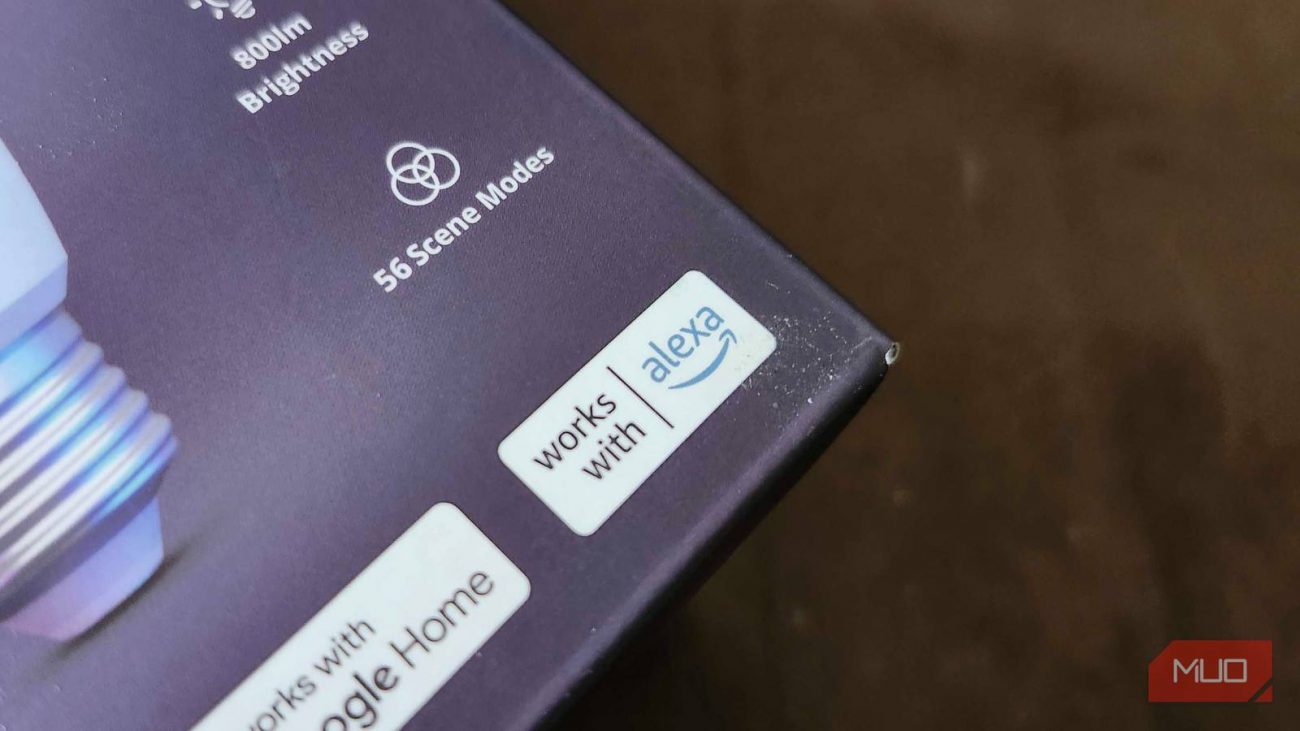
The topic “Works with Alexa” doesn’t mean what you think it means is currently the subject of lively discussion — readers and analysts are keeping a close eye on developments.
This is taking place in a dynamic environment: companies’ decisions and competitors’ reactions can quickly change the picture.
If you’re like meand an early adopter of Amazon Echo devices, you probably have one in each room and areenjoying the intelligence that comes with Alexa+. It also means that when buying new smart home devices (like Phillips Hue, which my whole family finally uses), you probably want to ensure compatibility with Alexa so that you can seamlessly integrate new smart home devices into your existing workflows and can control everything via voice. So you go to Amazon or Best Buy, and you look for devices that “Work with Alexa.”
But the truth is that “Works with Alexa” is not what you think, and some of these devices might only minimally work with Alexa, like with basic on/off commands, and not more advanced functions like color effects, scheduling or scenes — all important functions to fully take advantage of what Alexa has to offer.
I’m going to explain what “Works with Alexa” actually means, and how you can tell if a product fully works with all of Alexa’s abilities, or if you should stay away.
Products that are certified to work with Alexa (WWA) must meet certain requirements that will allow a manufacturer to place the Alexa badge on their product. These requirements are fully hashed out in Amazon documentation, but I’ll save you time by summarizing what WWA actually means for key product areas that you might be thinking about buying. We’ll hone in on lighting, entertainment, and home devices.
For lighting, WWA certification only requires on/off functionality. And that’s really it.
For entertainment (TVs, soundbars, speakers, set-top boxes, receivers), WWA is much more comprehensive and supports channel control, app launching, input selection, playback state reporting, and video search. Speakers and soundbars must support playback controls (like play/pause/stop), and mute. If you’re buying a receiver, WWA requires it to support volume, mute, and input selection.
Home devices, such as smart locks, cameras, and garage doors, are also pretty limited but offer more functionality than lighting. for example, locks must support lock and unlock. Garage door openers must support open and close. Cameras must support live-streaming with audio and have object detection and snapshot capabilities, and then doorbells must capture doorbell events and support video streaming.
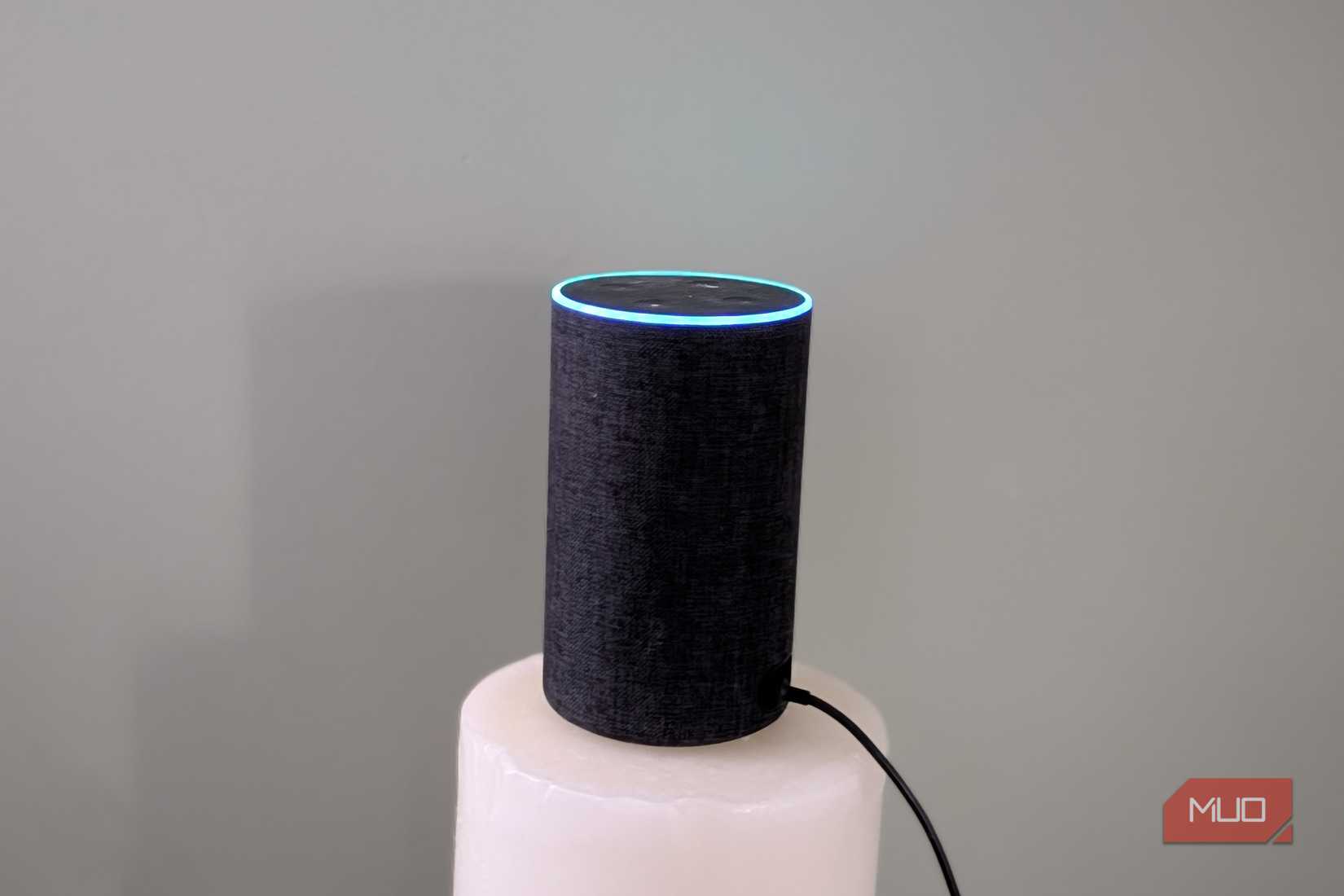
The Amazon Echo Dot is the latest small smart speaker from Amazon.
Works with Alexa does not guarantee that you can use Alexa to control dimming, color, scenes, grouping, or schedules with smart lights. That’s a huge omission, since one of the main reasons to get smart lights is to control color and dimming states with Alexa.
For entertainment devices, WWA excludes equalizers, sound mode adjustments, recording and DVR controls, seek/scrub and any streaming-specific integrations. Another example is that you can’t ask Alexa to record a specific show.
And for home devices, like locks and security, WWA excludes a lot of functionality here too: you cannot set up auto-lock timers, you can’t set up guest access for your locks, you can’t do two-way communication with your cameras, and you can’t set up a schedule for your garage doors.
It’s important to note that if a function is not supported by WWA, that doesn’t mean it can’t do that function. It just means that the product might not support Alexa voice control for that feature, but you can still use that feature manually through the product’s app.
So how do you find out what functions a device actually can perform? There are several things you can do to find out.
It would be nice if the Works with Alexa badge meant more, but it doesn’t. It’s mainly a marketing tool to get more products to associate with the Alexa ecosystem of devices. I was especially surprised to see that WWA lighting doesn’t necessarily offer dimming and light color changes via Alexa voice command, but in the case of my smart home, which mainly uses Phillips Hue, there’s deep integration with Alexa including color and dimming. Now you know what WWA does and doesn’t support, so that you can make better purchasing decisions.
