
The topic Turning on file sharing doesn’t make your home server a NAS — but this does is currently the subject of lively discussion — readers and analysts are keeping a close eye on developments.
This is taking place in a dynamic environment: companies’ decisions and competitors’ reactions can quickly change the picture.
Whether you’re hoarding every Ubuntu release you can find or just making sure that your family’s photos are safe and sound, you can never have too much storage. And that’s before you dip your toe into the world of setting up Plex media servers or downloading every video your favorite YouTuber ever recorded. These kinds of ever-increasing storage needs are often what set people on the road to using a Network Attached Storage, or NAS, device. If that sounds familiar, you’ve probably also taken the next step: filling an old PC with storage and sharing it with everyone on your network.
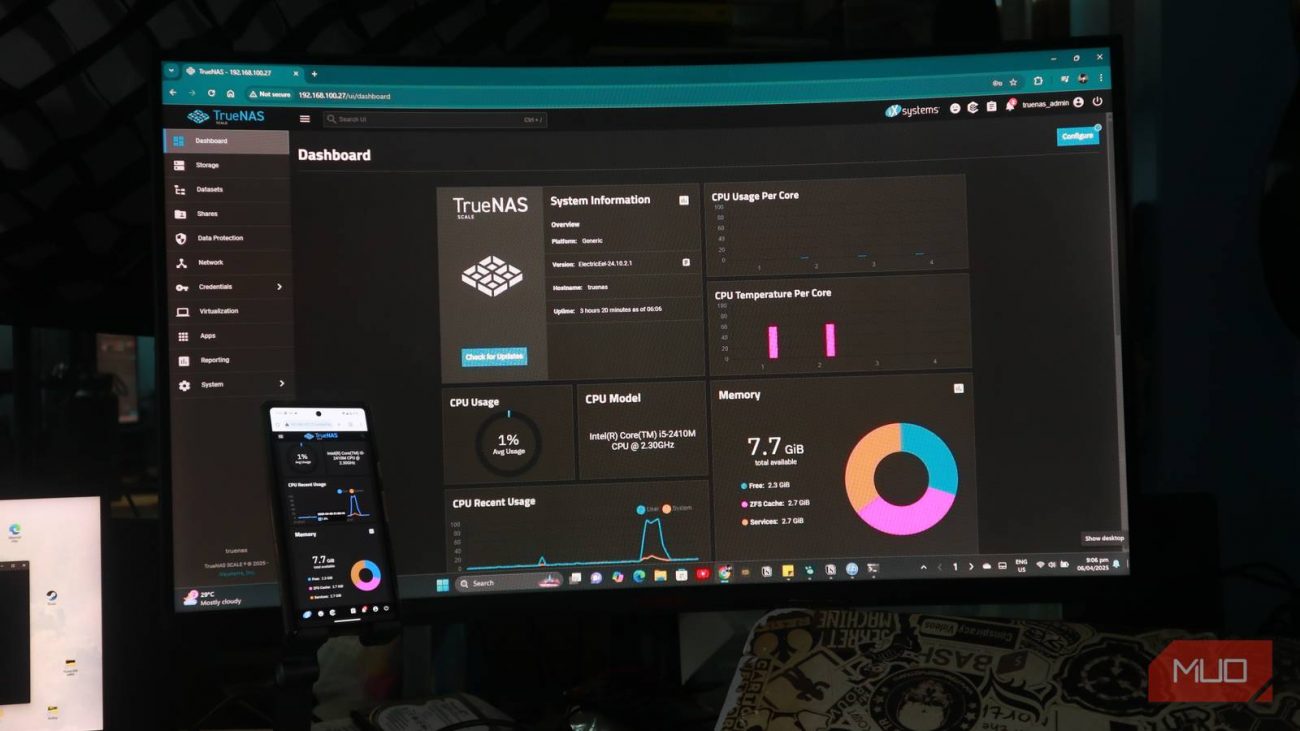
But that isn’t a NAS, not really. Sure, there’s storage, and it’s attached to other devices via a network. But a true NAS is about more than just pointing computers at an SMB share and calling it a day. A NAS goes so much further. Yes, using SMB sharing works fine if you’re just looking to move a file from one computer to another. But when it comes to shifting larger amounts of data and keeping it safe while doing so, you want something built for the job. Thankfully, that doesn’t necessarily mean buying new hardware. You can use a new operating system, such as TrueNAS, instead.
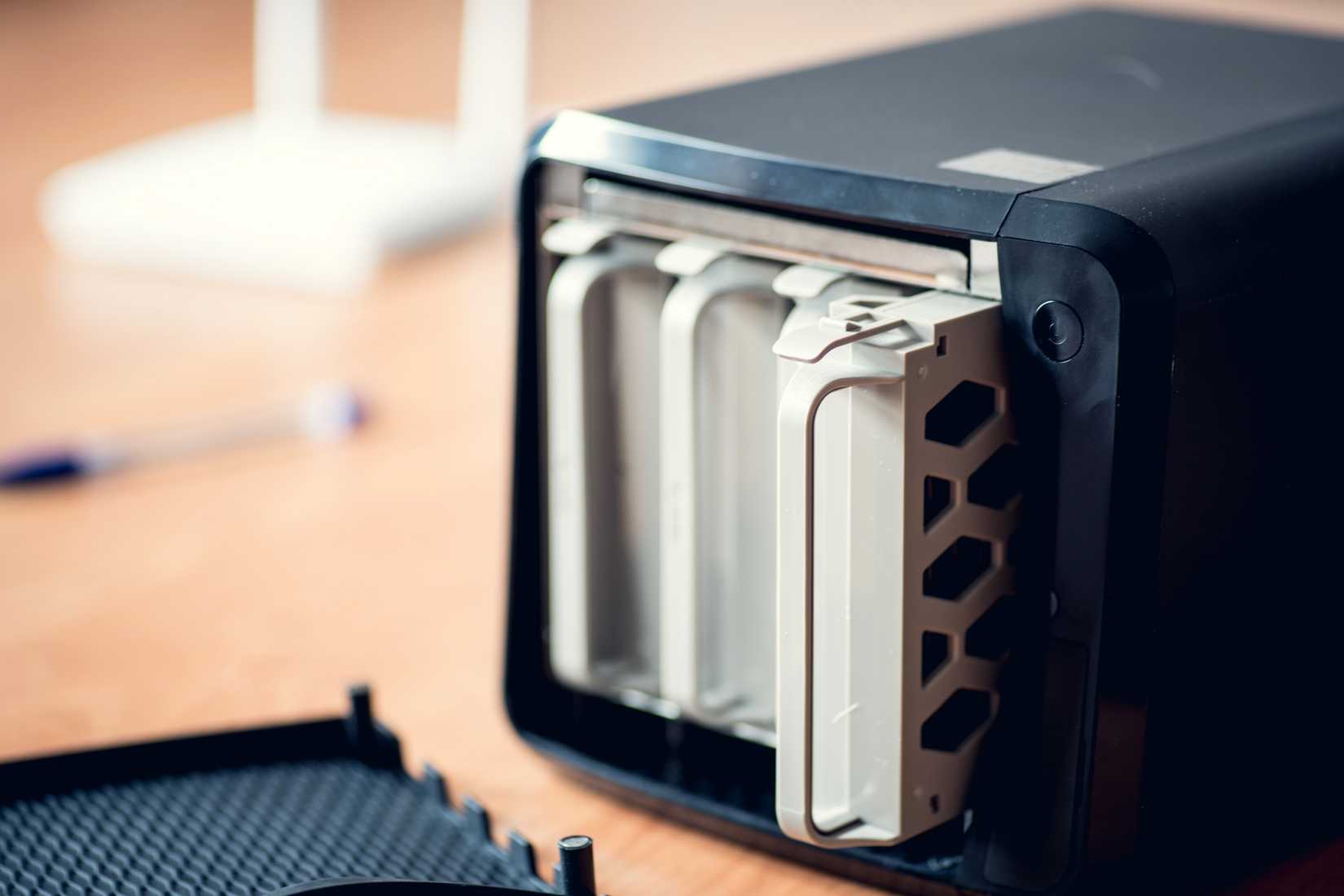
Using an old computer as a faux NAS makes a lot of sense, especially if you’re working on a tight budget. And while any computer and storage can act as a NAS of sorts, the software that it runs is key to getting the job done properly.
Chances are, your old machine has some version of Windows installed. And while Windows has its place, it just isn’t the best option for repurposing an old machine into a NAS. There are a few reasons, but the top one is that Windows is built to do many things. And you don’t need it to do the majority of them. Windows can play games, be a place to write your novel, or be where you edit all those family photos. It has an interface built for that, and runs countless services under the hood to make it all work. That all takes resources that you likely can’t spare. And that’s before Windows Update plays havoc with everything.
Contrast that with an operating system, like TrueNAS, built from the ground up to store large amounts of data safely. And it can use all of your PC’s valuable resources to do it, too.
Choosing the right operating system for your NAS can be tricky, and there are a few different ones for you to consider. TrueNAS is perhaps the most popular, while Unraid and OpenMediaVault are also solid options. They’re all much better than going the Windows route, too.
The first reason is one that we’ve already touched on: resources. NAS-specific operating systems are stripped-down options that only include the features they need to be the best NAS they can be. That helps reduce the resources the system needs just to exist, allowing the rest to focus on NAS-specific tasks like data management and serving data as reliably as possible.
Another key feature of a dedicated NAS operating system is a NAS-specific file system. ZFS, or Zettabyte File system, is one example that offers advanced features. You can create a ZFS pool of storage, for example, spread across your choice of RAID system. That means the system can automatically repair any corrupted data on the fly if it detects an error. That kind of self-healing capability isn’t something Windows can provide.
Using dedicated NAS software can also offer other advantages, such as longer uptime between restarts. Lower resource requirements can even affect the amount of power the computer uses, saving you money on your bills. You won’t make your fortune from the pennies saved, but it all adds up in the end.
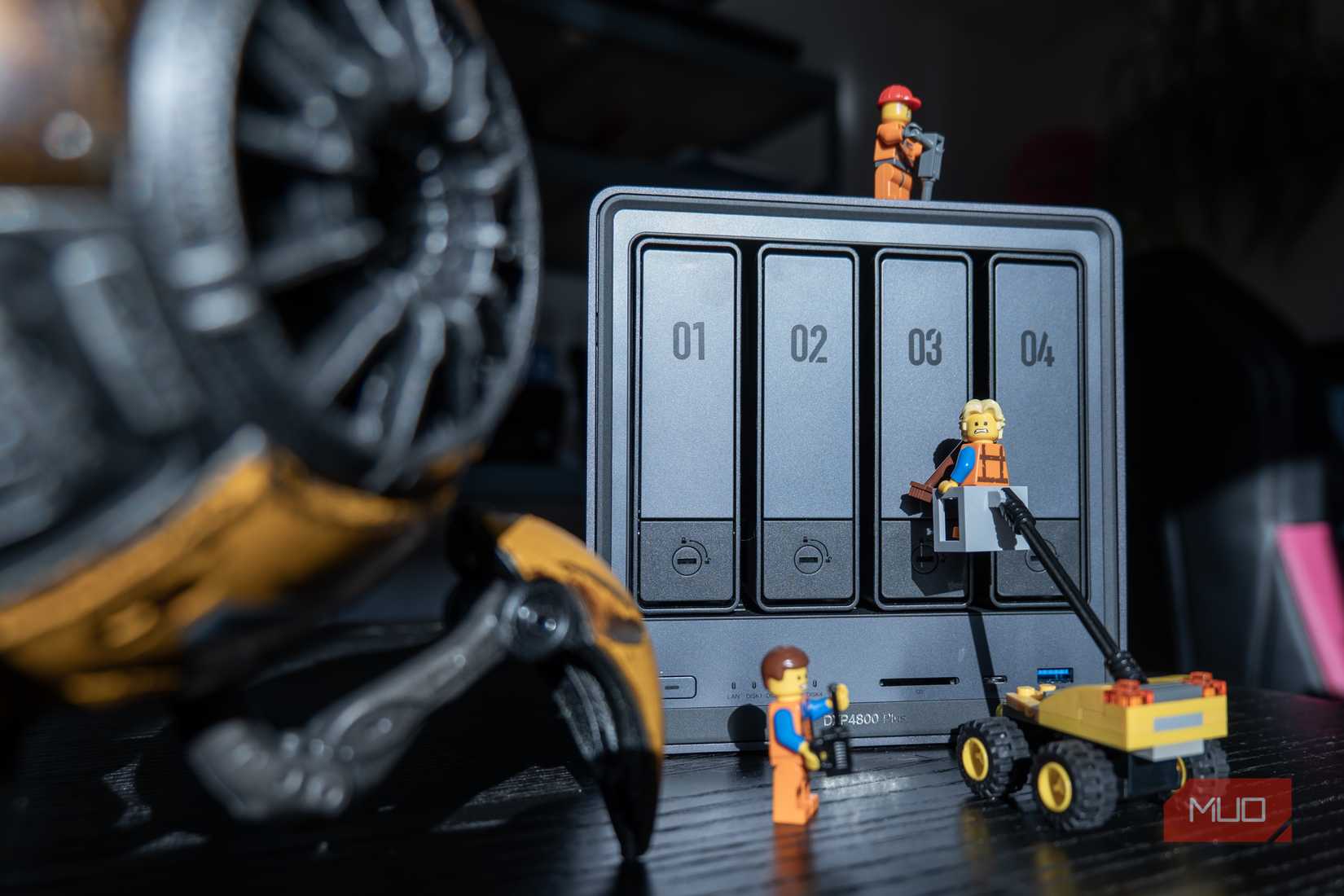
While the software is still early-stage, the hardware is impressive and upgradeable, and the basics are all there—including Docker and hardware-accelerated Plex support. The DXP4800 Plus also offers HDMI output, letting it do double-duty as a simple hybrid media center.
Turning on Windows file sharing is a great way to move a PDF to your laptop or grab that home video you’ve been working on. But it’s a utility to be used as and when you need it. A NAS is a storage solution that can open the door to a wide range of use cases and benefits. A NAS can be used as a central backup server or as the core of a media server. The world really is your oyster.
Above all, a home NAS, running real NAS software, can be a great way to learn new things. And who knows, it might just whet the appetite for a new career. You can’t say that about Windows File Sharing now, can you?
